Total: Rs.0.00
Taxes and shipping calculated at checkout

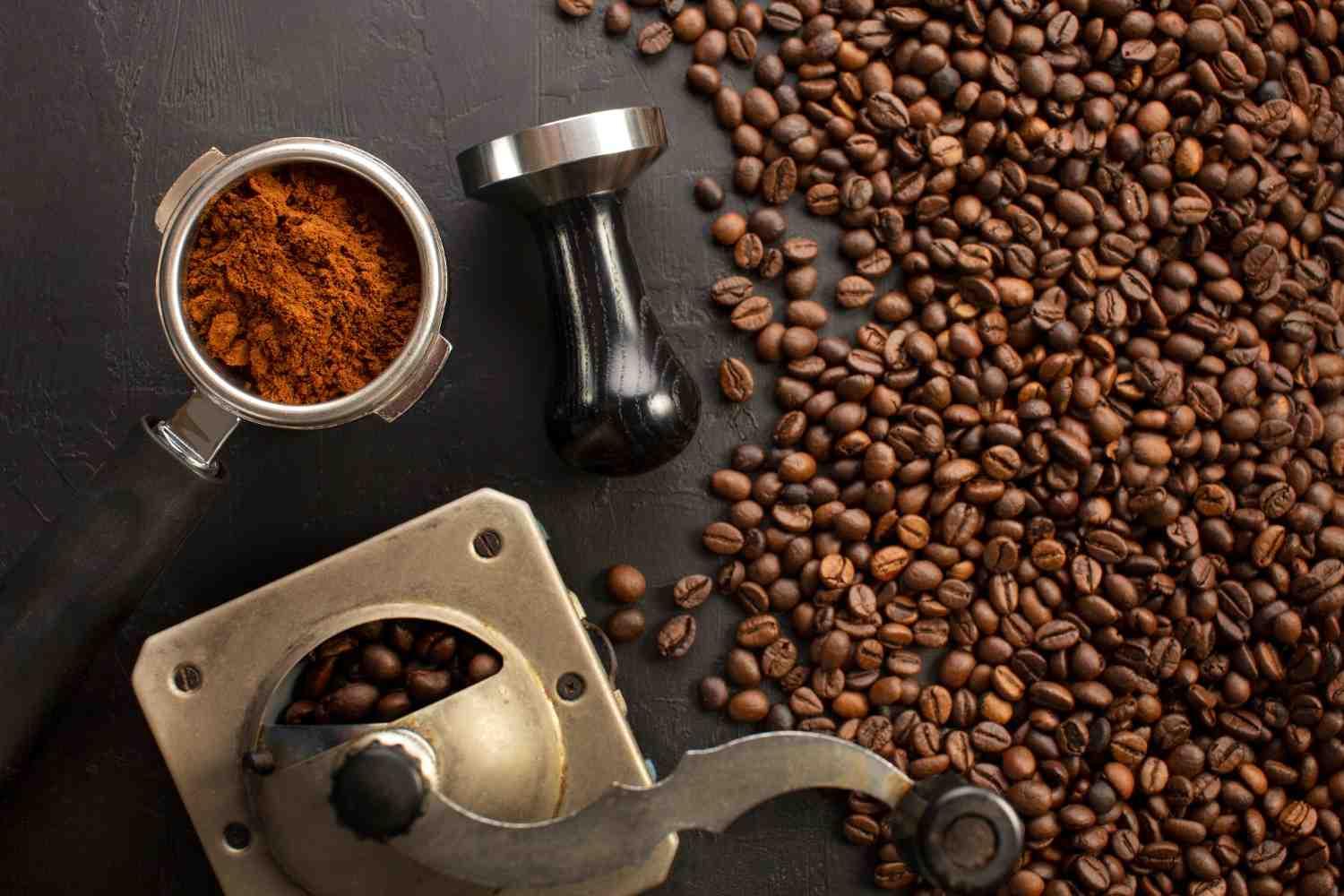
Most people think of coffee as something that simply appears a bag on a shelf, a few scoops into a machine, and a cup in hand within minutes. But behind that cup lies a long, deliberate journey. One that starts thousands of kilometres away, on a farm, and ends quietly on your kitchen counter in Karachi, Lahore, or Islamabad.
At Grão Coffee, we think this journey matters. Understanding it changes the way you experience your morning cup and it is also what separates a true specialty coffee roastery from a brand simply selling beans online.
Specialty coffee begins long before roasting it begins with sourcing. Farms in regions like Ethiopia, Colombia, Brazil, Guatemala, and Indonesia grow beans under very specific conditions: altitude, soil, climate, and processing methods that all shape the final flavor in the cup.
A specialty-grade bean is not just "good coffee." It is coffee that has been graded, cupped, and scored for quality free of defects, with a clean and distinct flavor profile that reflects where it was grown. This is the raw material that everything else builds on. If the sourcing is weak, no amount of roasting skill can fix it later.
This is why, when you read about single origins like Kenya AA or Ethiopian Guji Hambela, you are reading about more than a name on a label you are reading about a specific farm, a specific harvest, and a specific story.
Once green coffee beans arrive at the roastery, the real transformation begins. Roasting is part science, part craft a careful balance of time, temperature, and timing that brings out the character hidden inside each bean.
Roast too lightly, and the coffee can taste sour or underdeveloped. Roast too long, and you lose the delicate notes that make a single origin special replacing them with a generic, bitter profile. A skilled roaster is constantly tasting, adjusting, and refining, treating every batch as its own small experiment.
This is also where blends are born. Combining beans from different origins say, a Brazilian base with an Ethiopian top note requires an understanding of how flavors interact, not just individually, but together in a single cup.
What truly separates a specialty roastery from a generic coffee brand often happens behind the scenes. Every roast batch should be cupped tasted under controlled conditions to check consistency, identify defects, and ensure the flavor matches what is expected.


This step is easy to overlook, but it is what builds trust over time. When you order the same bag of beans twice, you should be able to expect the same experience both times. That kind of consistency does not happen by accident it is the result of a roastery that takes quality control seriously, batch after batch.
Coffee is, at its core, a perishable product. The moment beans are roasted, they begin to lose their aromatic oils and flavor compounds. This process is gradual, but it is constant which is why freshness is one of the most underrated factors in how good your coffee actually tastes.
Beans that sit on a shelf for months before reaching you, even if stored well, will never taste the same as beans roasted just days ago. This is one of the biggest advantages of buying directly from a roastery rather than a long supply chain shorter time between roast date and your cup means more of the flavor survives the journey.
It is a simple idea, but it makes a noticeable difference. A roast date on the bag is not just a formality it is a promise about how close you are to the source.
In Pakistan, the way people access specialty coffee has changed significantly. A few years ago, finding genuinely fresh, well-roasted beans often meant relying on a handful of cafés or imported brands with uncertain shelf life. Today, ordering coffee online means you can get beans roasted closer to the date of purchase, often within days.
This shift has also opened the door to variety. Instead of being limited to one or two blends, coffee drinkers can now explore single origins from Ethiopia, Indonesia, Guatemala, and beyond all without leaving home. For many, this has turned coffee from a routine purchase into something closer to a hobby: experimenting with different roasts, brewing methods, and flavor profiles over time.
Online ordering also means transparency. Roast dates, origin details, and tasting notes are often listed clearly, giving buyers more information than they would typically get from a shelf at a store.
With more options available, it becomes worth asking what actually separates a specialty coffee company from one that simply sells coffee. The answer usually comes down to a few things: where the beans come from, how recently they were roasted, how consistently quality is maintained, and how much information is shared with the customer.
A specialty roastery treats coffee less like a commodity and more like a craft product something with a story, a process, and a level of care that shows up in the final cup. It is the difference between coffee that simply gets you through the morning, and coffee that you actually look forward to.
Every cup of coffee carries a journey with it a farm somewhere in the world, a roaster who carefully developed its flavor, and a delivery that brought it to your door. When you understand this process, even a simple morning cup starts to feel a little different. Not just a habit, but a small connection to something much larger.
At Grão Coffee, this is the philosophy behind everything — from sourcing to roasting to the moment your order arrives. Explore our range of coffee beans and experience for yourself what a thoughtfully sourced, freshly roasted cup can taste like — right at home.