Total: Rs.0.00
Taxes and shipping calculated at checkout

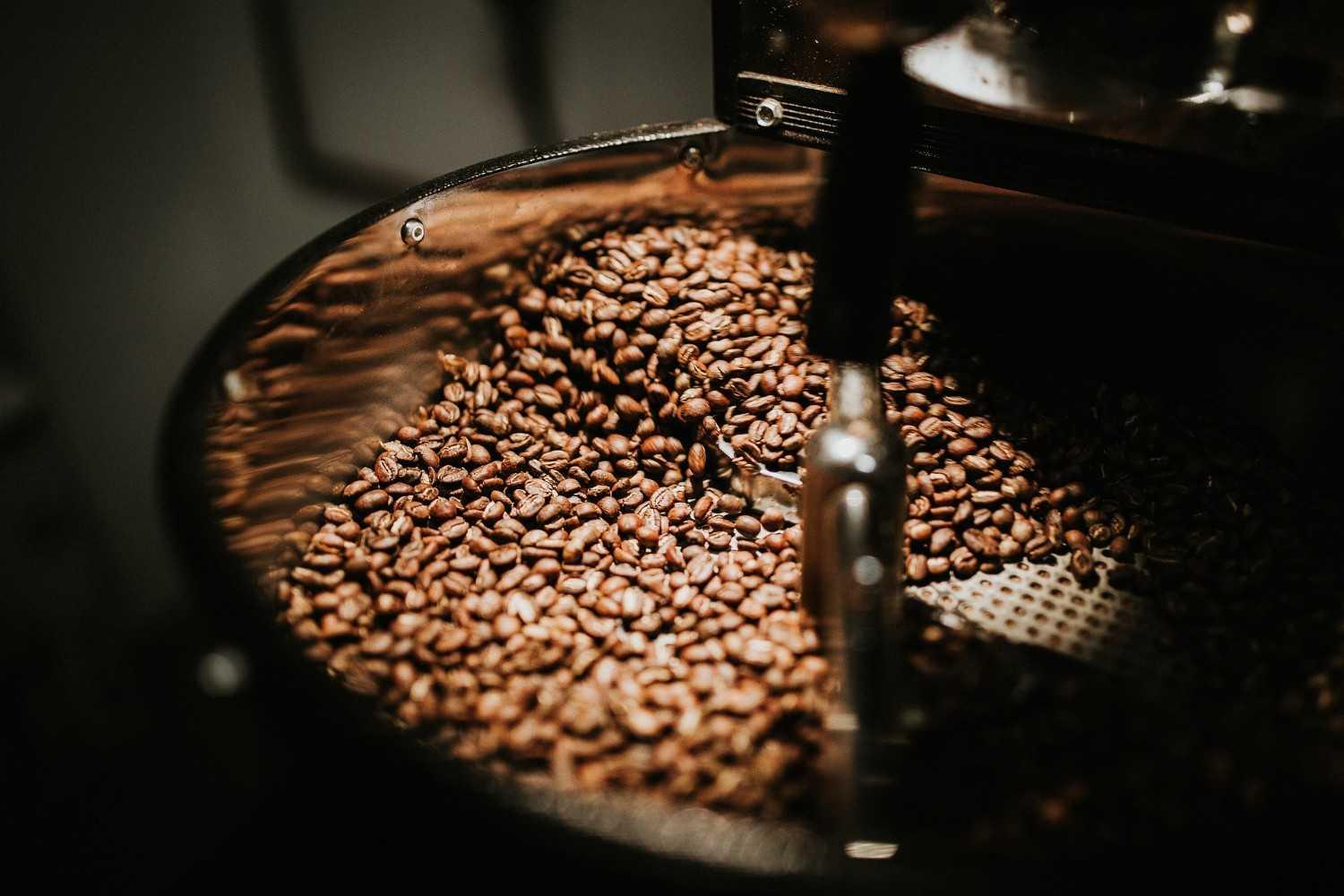
Anyone can order coffee online with a couple of taps. Getting a bag that actually tastes fresh and well-roasted when it arrives takes a little more care. Before adding to cart, a few details are worth checking they make the difference between a great cup and a forgettable one.
Coffee begins losing its aroma and depth soon after roasting, so the roast date is the single most useful number on the bag. The closer it is to your order date, the better the coffee is likely to taste. If a listing skips this detail entirely, it is often a sign the company is not paying close attention to freshness either.
"Coffee beans" on its own says very little. A listing that names the country, region, and ideally the farm or processing method gives a much clearer sense of what the coffee will taste like. Single origins such as Kenya AA or Ethiopian Guji Hambela each carry flavors shaped directly by where and how they were grown.
Tasting notes are more than flowery language they help you match coffee to your taste. Someone who enjoys bright, fruity cups should lean toward beans described as floral or citrusy, while those who prefer something heavier may look for notes like chocolate, nuts, or caramel. Paying attention here also helps you understand your own preferences over time.
Even great coffee can lose quality if it is packaged carelessly. Resealable bags with a one-way valve let gases escape after roasting without letting air back in, keeping beans fresher for longer. Browse the Grão Coffee range of beans to see how roast dates, origin details, tasting notes, and proper packaging all come together so what arrives at your door is as close as possible to what left the roastery.