Total: Rs.0.00
Taxes and shipping calculated at checkout

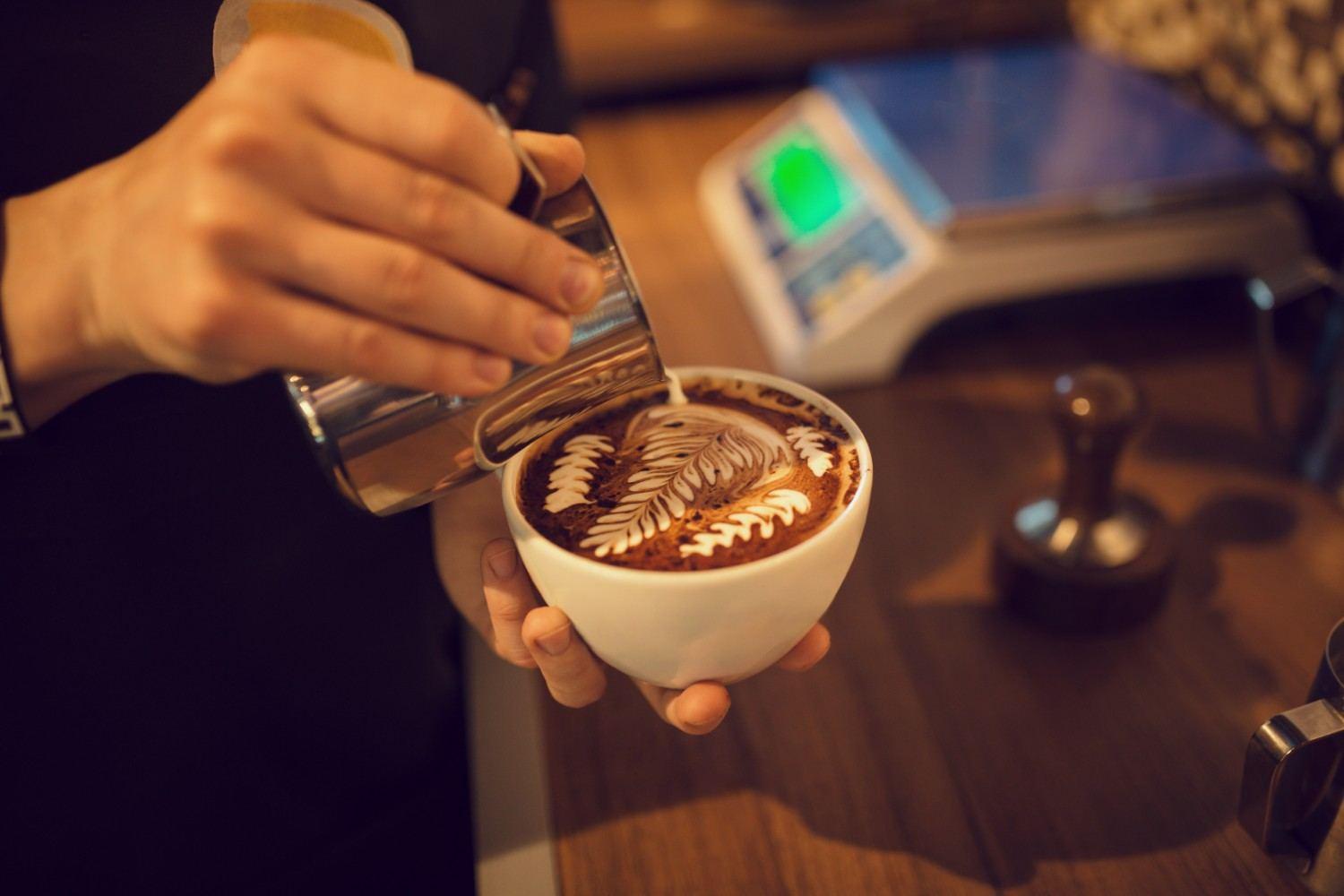
Most people drink coffee every day without ever thinking about where it actually comes from or what happens to it before it reaches their cup. The bag on the shelf looks like coffee. It smells like coffee. But the moment you compare it to something roasted fresh from a specialty roastery, the gap becomes immediately obvious and impossible to ignore.
A coffee roastery is where green beans become the coffee you drink. But more than that, it is where every decision that determines flavor the sourcing, the roast profile, the freshness window either gets made carefully or not at all. At Grão Coffee, every one of those decisions is made with intention. Here is why that matters.
A coffee roastery is a facility where raw, unroasted green coffee beans are transformed through heat into the aromatic brown beans that get ground and brewed. Green beans are dense, grassy, and largely flavorless in their raw state. Roasting triggers hundreds of chemical reactions sugars caramelize, oils develop, and thousands of aromatic compounds form that simply did not exist in the green bean. The roastery is where that transformation happens, and the skill behind it determines everything that ends up in your cup.
A specialty roastery goes further than simply applying heat. It sources specific beans from specific origins, develops individual roast profiles for each variety, and controls the process closely enough to bring out the most expressive qualities of every batch it handles.
Great coffee does not start at the roastery. It starts at the farm with the altitude, the soil, the processing method, and the climate of the origin country. Everything that happens after is either protecting what the farm built or losing it. This is why sourcing is the first and most important decision a roastery makes.
Grão Coffee sources from four distinct origins, each chosen for a specific reason. Ethiopian beans from high altitude farms in regions like Guji and Hambela carry vivid floral and fruity notes a direct product of elevation and natural processing. Colombian beans deliver clean, balanced sweetness shaped by mountainous growing conditions. Brazilian beans, sun-dried at lower altitudes, produce the naturally nutty and chocolatey profile that makes them a reliable espresso foundation. Indonesian beans from the volcanic soils of Sumatra bring the earthy, full-bodied depth that no other origin quite replicates. Every one of these differences is traceable to the farm long before the bean enters a roaster. Explore the full single origin range to see where each origin fits.
Sourcing the right bean is only half the work. The roast profile determines whether the character of that origin is expressed clearly or buried under heat. A roast that goes too dark strips a delicate Ethiopian bean of its floral notes entirely, leaving only bitterness. Too light, and the natural sweetness of a Brazilian bean never fully develops.
This is the craft that separates a specialty roastery from a commodity operation. Every origin in the Grão Coffee range is roasted to a profile developed specifically for that bean one designed to bring out its most expressive qualities without overriding what makes it worth drinking in the first place. Single origin beans are roasted to highlight the character of their farm. Blends are constructed deliberately, combining origins to produce a balanced, consistent flavor that no single bean could deliver alone.
Roasting is a transformation, but it also starts a clock. The moment the roaster stops, the aromatic compounds responsible for sweetness, clarity, and complexity begin degrading. Freshly roasted beans release trapped carbon dioxide through a process called degassing — this CO2 acts as a natural barrier against oxygen. Once it is gone, oxidation sets in, dulling acidity, flattening sweetness, and replacing complexity with stale, papery notes that no brewing method can reverse.
According to the Specialty Coffee Association, the most dynamic flavor changes in a roasted bean happen within the first three weeks after roasting, with the true sweet spot sitting between 7 and 20 days post roast. Most supermarket coffee in Pakistan was roasted weeks or months before purchase. Vacuum sealing slows the damage but does not stop it. By the time it reaches your kitchen, the window has already closed.
When you buy from a supermarket, you are buying coffee that has already passed through multiple hands, sat in warehouses, and spent time on shelves. The sourcing decisions were made for cost, not flavor. The roast profile was designed for shelf stability, not peak expression. The freshness window closed before the bag ever reached you.
When you buy from a roastery, all of that changes. The sourcing is deliberate. The roast profile is built for flavor. The coffee is dispatched fresh so that what arrives at your door is within its peak window not a shadow of what it once was.
For anyone serious about coffee in Pakistan, understanding the roastery is the single most useful shift in perspective you can make. It explains why two cups made with the same method can taste completely different. It explains why the coffee at a good café is better than what most people brew at home. And it explains why ordering directly from Grão Coffee fresh roasted, dispatched across Pakistan, sourced from farms that have already done the hard work produces a cup that genuinely reflects what coffee is capable of at its best.
The roastery is not a background detail. It is the whole story. Browse the full Grão Coffee range and taste what that story produces.